29 States Rewrote Their Concealed Carry Laws Since 2020. Most gun owners have no idea where they stand.
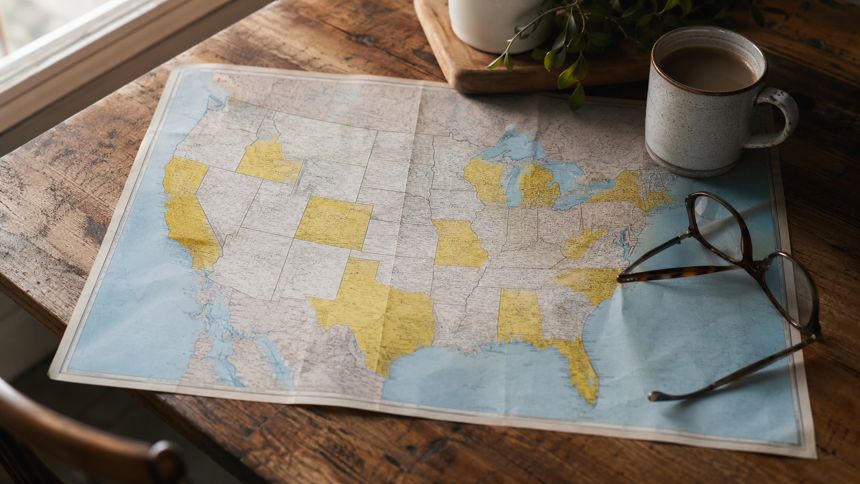
If the last time you looked into carrying concealed was more than a couple of years ago, the rules where you live have probably changed.
Since 2020, 29 states have moved to permitless carry, more than half the country. Reciprocity between states has shifted. And in Washington, the Constitutional Concealed Carry Reciprocity Act (H.R. 38) has passed the House and is now pending in the Senate. For law-abiding gun owners, the map looks very different than it did a few years ago.
The trouble is that almost nobody keeps up with their own state's current requirements, and getting it wrong carries real legal consequences.
The old way is a grind
Ask anyone who has been through it recently. The traditional path can mean a full-day class, range time, fingerprinting, a sheriff's interview, and weeks or months of waiting.
What's changed for the better
Depending on your state, part of that process may now be handled online, from home. A short eligibility check tells you where you stand and what your state actually requires before you spend a dollar or a Saturday.
Be clear on what this is, because the internet is full of offers that are not honest about it:
- It checks your eligibility and shows what your specific state requires.
- It provides the training and guidance for the steps you can complete from home.
- It is not a permit. A permit is issued by your state. This is the training and eligibility step that comes first, and the requirements vary from state to state.

How the check works
Why do this now
Carry rules are rewritten in some state every legislative session. Virginia, for example, ended its online training pathway overnight in 2020. The states that still allow you to handle part of the process from home may not always. Knowing where your state stands today costs nothing.